

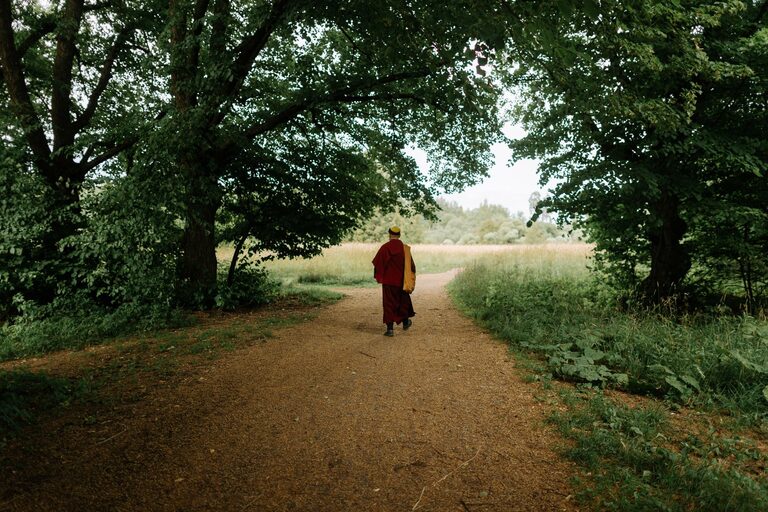
Mindful walking is a simple yet powerful practice combining movement with mindfulness to help you connect with the present moment. Whether you’re new to mindfulness or looking for a gentle way to reduce stress, mindful walking offers an accessible approach that anyone can enjoy. This beginner’s guide will walk you through the basics, benefits, and steps to start your own mindful walking practice today.
What Is Mindful Walking?
Mindful walking involves paying deliberate attention to the experience of walking. Instead of rushing from point A to point B or letting your mind wander, you focus fully on each step, the sensations in your body, and the environment around you. It’s a form of moving meditation that cultivates awareness, calm, and gratitude.
Benefits of Mindful Walking
Practicing mindful walking regularly can support both mental and physical health:
– Reduces stress and anxiety: Helps quiet racing thoughts and promotes relaxation.
– Improves focus and concentration: Builds awareness of the present moment.
– Supports physical health: Encourages gentle, low-impact exercise that benefits cardiovascular health.
– Enhances mood: Walking outdoors in nature can boost feelings of happiness and reduce symptoms of depression.
– Promotes body awareness: Helps you become more attuned to how your body feels and moves.
Preparing for Your Mindful Walk
Before you begin, take a few moments to create a peaceful environment for your walk:
- **Choose your path:** Find a quiet, safe place such as a park, garden, or sidewalk where you feel comfortable.
- **Wear comfortable shoes and clothing:** This will help you stay relaxed and focused.
- **Set aside time:** Aim for at least 10 to 20 minutes when you won’t be interrupted.
- **Remove distractions:** Turn off your phone or keep it silent to minimize disruptions.
Step-by-Step Guide to Mindful Walking
Step 1: Begin with Intention
Stand still for a moment and take a few deep breaths. Set an intention for your walk, such as “I will focus on each step” or “I will enjoy the sights and sounds around me.”
Step 2: Notice Your Posture
Stand tall with your shoulders relaxed and your head aligned above your spine. Feel the ground beneath your feet.
Step 3: Start Walking Slowly
Begin walking at a slower pace than usual. Focus your attention on the movement of your legs and feet. Notice how your heel touches the ground, how your weight shifts, and how your toes lift.
Step 4: Engage Your Senses
Use all your senses to deepen your awareness:
– Sight: Observe colors, shapes, and movements around you.
– Sound: Listen for birds, wind, footsteps, or distant noises.
– Touch: Feel the air on your skin, or the texture of surfaces you pass.
– Smell: Notice fragrances from flowers, fresh air, or earth.
Step 5: Breathe Naturally
Maintain a relaxed breathing rhythm without trying to control it. Notice the sensation of air entering and leaving your body.
Step 6: Acknowledge Distracting Thoughts
If your mind wanders, gently bring your focus back to your steps and surroundings without judgment.
Step 7: Use a Mantra or Counting (Optional)
Some find it helpful to silently repeat a word or phrase like “peace” or count each step up to 10 and then start over to maintain focus.
Step 8: End with Gratitude
As your walk comes to a close, stop for a moment to express gratitude for the opportunity to move mindfully and enjoy your surroundings.
Tips for Building a Consistent Practice
– Start small: Even 5 minutes a day can make a difference.
– Practice regularly: Aim for daily or several walks per week.
– Mix it up: Try different routes or walk indoors if weather limits outdoor options.
– Pair with other mindfulness practices: Combine mindful walking with breathing exercises or journaling.
– Be patient: Mindfulness takes practice; it’s normal for your mind to wander.
Common Challenges and How to Overcome Them
– Restlessness: If you feel impatient or bored, remind yourself that mindfulness is about observing these feelings without reacting.
– Distractions: Choose quieter times or places to walk and keep your focus on sensory experiences.
– Physical discomfort: Adjust your pace, wear supportive shoes, or choose surfaces that feel better to walk on.
Mindful Walking for Different Lifestyles
– Busy professionals: Use mindful walking as a break during work to reduce tension.
– Parents: Involve children by encouraging them to notice nature or sounds.
– Seniors or beginners: Start with short walks and gradually increase time and distance.
– Urban dwellers: Practice mindful walking even in city streets by focusing on your breath and surroundings.
Final Thoughts
Mindful walking is a simple practice available to everyone that promotes relaxation, clarity, and well-being. By slowing down and connecting with each step, you can cultivate a peaceful mind and a greater appreciation for your daily surroundings. Start today—your mind and body will thank you.
—
Remember, the key to mindful walking is gentle awareness, not perfection. Enjoy the journey one step at a time.