

Reducing food waste at home is a smart and environmentally friendly practice that benefits both your household and the planet. Each year, millions of tons of food are discarded unnecessarily, which not only wastes resources like water and energy but also contributes to greenhouse gas emissions.
Fortunately, there are many straightforward ways you can minimize food waste without much extra effort. This article shares practical tips and ideas to help you manage your food better, save money, and reduce your environmental footprint.
Why Reducing Food Waste Matters
Food waste happens at every stage of the supply chain, but households are responsible for a significant share. By wasting less food, you:
– Save money by using what you buy.
– Reduce the environmental impact related to food production.
– Help conserve natural resources like water and soil.
– Lower the amount of organic waste that ends up in landfills.
Practical Tips to Reduce Food Waste at Home
1. Plan Your Meals and Shopping
One of the most effective ways to prevent food waste is to plan ahead.
– Create a shopping list: Before heading to the grocery store, check what you already have and write a list based on the meals you want to prepare.
– Stick to your list: Avoid impulse buys that may go unused.
– Buy in smaller quantities: Especially for perishables like fruits, vegetables, and dairy products.
2. Understand Expiration Dates
Confusion about expiration labels often leads to premature disposal.
– “Best by” or “Use by” dates usually indicate quality, not safety. Food might still be safe to consume after these dates.
– Smell and appearance tests: Trust your senses to evaluate freshness before tossing food.
– Learn common shelf lives: For example, eggs can often last weeks if refrigerated properly.
3. Store Food Properly
Proper storage helps extend the life of your food.
– Keep fruits and vegetables separate: Some fruits release ethylene gas that causes vegetables to spoil faster.
– Use airtight containers: These help maintain freshness and prevent contamination.
– Freeze leftovers or excess food: Freezing slows spoilage and allows you to save meals for later.
4. Make Use of Leftovers
Getting creative with leftovers reduces waste and adds variety to your meals.
– Incorporate into new dishes: For example, leftover roasted vegetables can go into soups or omelets.
– Set a leftovers day: Plan to eat only leftovers once or twice a week.
– Use vegetable scraps: Save peels and ends to make homemade broth.
5. Practice Portion Control
Serving the right amount of food reduces plate waste.
– Serve smaller portions: You can always offer seconds if hungry.
– Allow self-serving: Let family members take the amount they want.
– Use smaller plates: This can help control portion sizes visually.
6. Compost Food Scraps
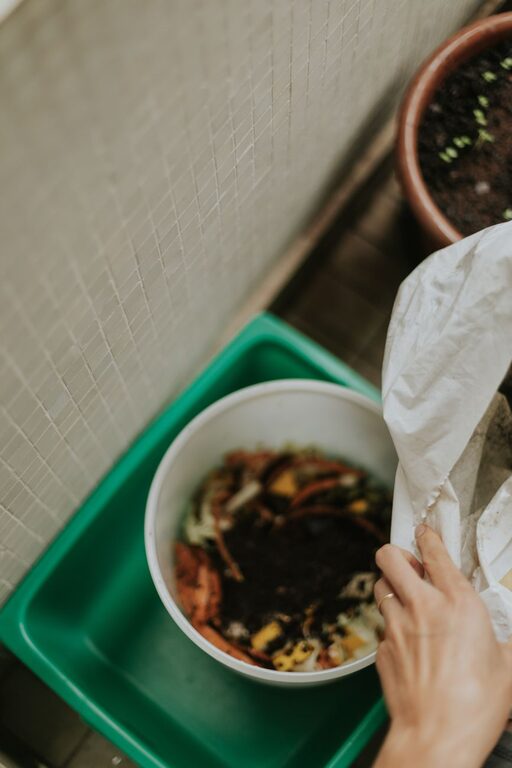
Composting is an excellent way to recycle food waste that cannot be eaten.
– Set up a compost bin: Use kitchen scraps like fruit peels, coffee grounds, and eggshells.
– Use compost in your garden: It enriches soil and reduces waste sent to landfills.
– Learn what can and cannot be composted: Avoid meat, dairy, and oily foods in your compost.
7. Educate Your Household
Getting everyone involved can make food waste reduction more effective.
– Discuss the importance: Share why reducing waste matters.
– Encourage mindful eating: Avoid over-serving or wasting food on plates.
– Assign roles: For example, someone can monitor expiration dates or manage leftovers.
Bonus Tips: Reducing Food Waste When Shopping and Cooking
– Use imperfect produce: Many stores and markets sell “ugly” fruits and vegetables at a discount; they taste the same but often get discarded.
– Batch cook and freeze: Prepare meals in advance to reduce daily cooking waste.
– Use apps and tools: Some smartphone apps help track food inventory and expiration dates.
Conclusion
Reducing food waste at home requires some planning and a change in habits, but the benefits are well worth the effort. By following these tips, you can save money, enjoy fresher meals, and contribute to a healthier environment. Start with small changes and build on them over time – every bit counts!
Remember, wasting less food is a simple way to create a positive impact for your family and the planet. Give these strategies a try and watch how your kitchen becomes more efficient and waste-free.