

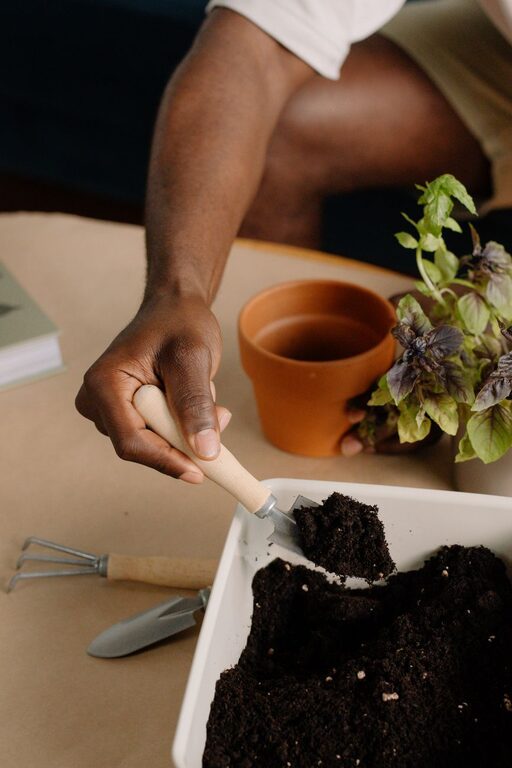
Bringing a small herb garden indoors is a rewarding and practical way to enjoy fresh herbs year-round. Whether you have limited outdoor space or just want a convenient source of flavor for your cooking, growing herbs inside your home can brighten your kitchen and enhance your meals. This guide will walk you through the essential steps to successfully start and maintain an indoor herb garden.
Why Grow Herbs Indoors?
Indoor herb gardening offers several benefits:
– Accessibility: Fresh herbs are always within reach for cooking.
– Space-saving: Ideal for apartments or homes without a garden.
– Air Quality: Many herbs help purify the air indoors.
– Year-round Growth: Unlike outdoor gardens, indoor herbs can thrive regardless of the season.
Choosing the Right Herbs for Your Indoor Garden
Not all herbs thrive indoors, so start with varieties known to grow well inside. Some great beginner-friendly options include:
– Basil: Requires lots of sunlight and warmth.
– Parsley: Prefers moderate light and regular watering.
– Chives: Tolerant and easy to grow on a sunny windowsill.
– Mint: Grows vigorously, so consider a separate pot.
– Thyme: Needs good drainage and plenty of light.
– Cilantro: Prefers cooler temperatures and bright indirect light.
– Oregano: Thrives in bright light and well-drained soil.
Selecting Containers and Soil
Choose containers that suit both your space and the herbs’ needs. Here are some tips:
– Size: Start with pots that are 4-6 inches deep for most herbs.
– Drainage: Use pots with drainage holes to prevent root rot.
– Material: Terracotta pots are breathable and helpful for herbs like thyme and oregano, but plastic pots retain moisture better for plants like mint.
– Soil: Use a high-quality potting mix formulated for indoor plants. Avoid garden soil, which can be too heavy and may contain pests.
Finding the Perfect Spot
Light is crucial for indoor herbs. Most herbs need at least 6 hours of sunlight daily.
– Windowsills: South-facing windows are ideal.
– Supplemental Light: If natural light is limited, consider using LED grow lights to provide the necessary light spectrum.
– Avoid Drafts: Keep herbs away from cold drafts or heating vents to maintain steady temperatures.
Planting Your Herbs
You can start herbs indoors from seeds, seedlings, or cuttings.
– Seeds: Plant seeds according to the package instructions. Keep the soil moist and warm until germination.
– Seedlings: Purchasing young herb plants from a nursery can give you a quicker start.
– Cuttings: Some herbs like mint and basil can be propagated easily from cuttings placed in water or soil.
Caring for Your Indoor Herb Garden
Proper care is key to a thriving garden. Follow these guidelines:
– Watering: Most herbs prefer evenly moist soil, but avoid overwatering. Check soil moisture by touching the top inch.
– Fertilizing: Use a balanced, water-soluble fertilizer every 4-6 weeks during the growing season.
– Pruning: Regularly pinch back herbs to encourage bushier growth and prevent flowering, which can change the flavor.
– Air Circulation: Good airflow helps prevent mold and pests. Use a small fan or occasionally open a window.
Common Challenges and Solutions
– Yellow Leaves: Often a sign of overwatering or poor drainage.
– Leggy Growth: Indicates insufficient light; move plants closer to the window or add a grow light.
– Pests: Indoor plants may attract spider mites or aphids. Wipe leaves with a damp cloth and consider natural insecticidal soap if needed.
Harvesting Your Herbs
You can begin harvesting once your herbs are established and have plenty of leaves.
– Harvest leaves from the top to encourage new growth.
– Use sharp scissors or pinch the stems cleanly.
– Regular harvesting keeps the plants healthy and productive.
Final Tips for Success
– Start small. Choose a few herbs to focus on before expanding.
– Keep a gardening journal to track watering schedules, growth progress, and any issues.
– Experiment with different herb combinations and pot arrangements to find what works best in your space.
Starting a small indoor herb garden can be a fun, healthy, and cost-effective way to enjoy fresh flavors at home. With a little planning and care, your indoor garden will thrive and bring fresh herbs to your kitchen counter all year long. Happy gardening!